By Garr Russell · June 5, 2026 · 6 min read
The most common question I get from people starting out is some version of: what's the best RV to rent out? They want a make and model, a single right answer. The honest answer is a question back: who is your renter, and what job are they hiring the rig to do?Because the “best” RV for a fleet isn't a class — it's a match.
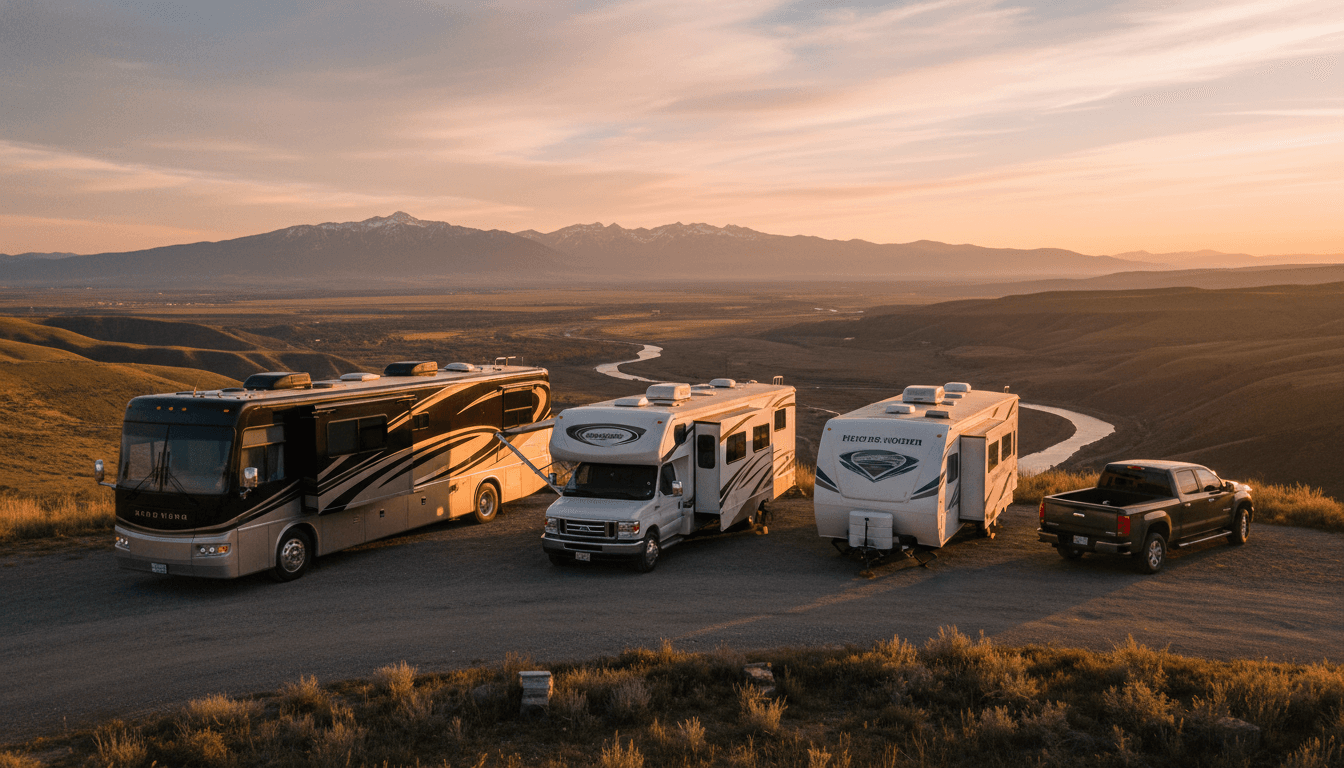
After years of watching what books and what sits, the pattern is clear: different renters want fundamentally different rigs, and the operators who do well build for the jobs that actually exist in their market. Here's how the use cases break down.
Music festivals, rallies, big group campouts — these renters want to drop it, leave it, and not think about it.A travel trailer (or a toy hauler for the gear-heavy crowd) is perfect: it's towable, it stays put once it's staged, it sleeps a group, and it's lower-cost to add to a fleet so you can field several at once for a single weekend. You're not selling a driving experience; you're selling a basecamp.

This is the corner most new operators miss. Production companies rent RVs as on-set basecamps — wardrobe, green rooms, power, a polished space to put talent. They want the big, self-contained, presentable Class A, and they'll pay for the presence and the amenities. A single studio town or a steady stream of shoots can keep a Class A booked at the high end while the rest of the market is quiet.
This is the bread and butter. A Class Cis the rig a first-time family actually feels comfortable driving — approachable size, sleeps the kids over the cab, drives like a big van. For the national-park trip, the lake week, the “let's try RVing” crowd, the Class C is the workhorse that fills the calendar. If you're only going to stock one type, in most markets it's this one.
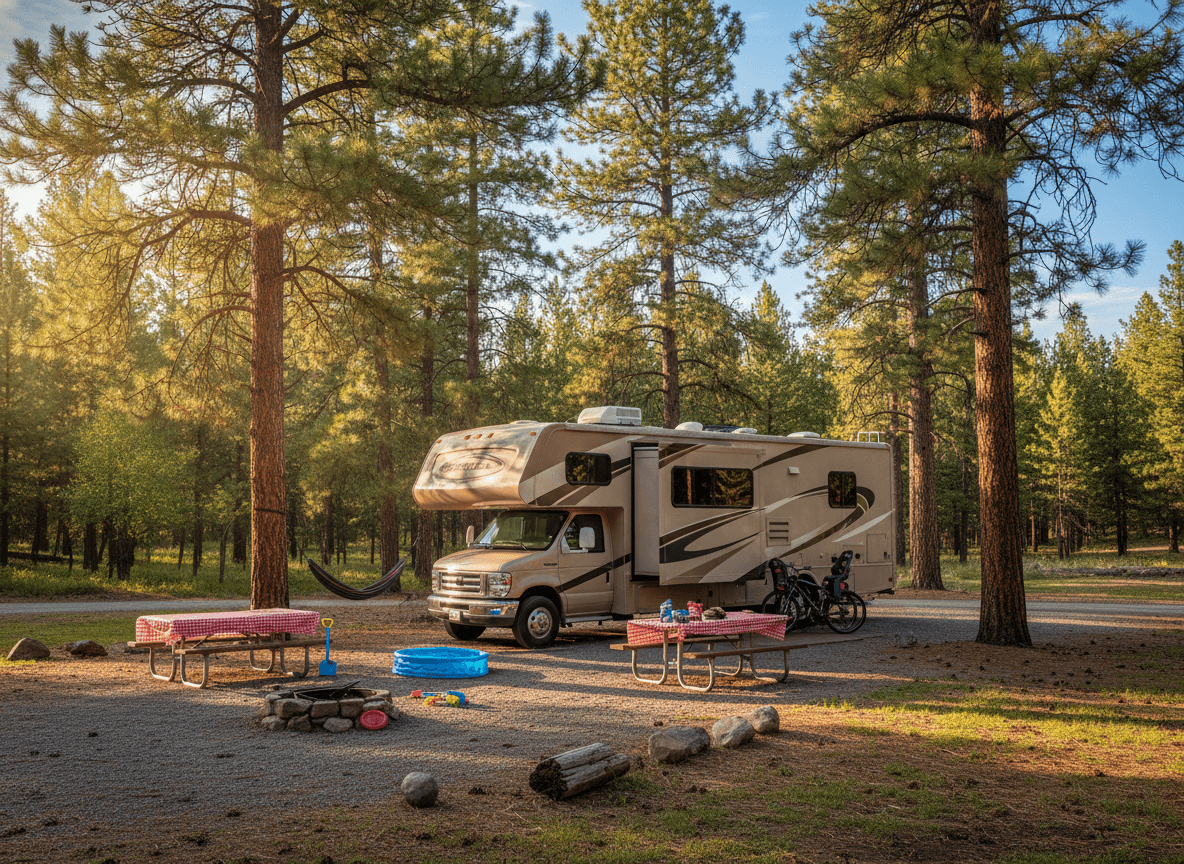
Don't build the fleet you think is cool. Build the fleet your market's jobs demand.
This is where it ties back to whereyou operate. A festival-heavy region wants trailers you can stage in bulk. A town near studios wants a Class A working the production circuit. A national-park gateway wants a row of Class C's for the family trade. The right fleet is downstream of your market's real demand drivers — which is exactly the thing we measure market by market. (See the most open markets, by the numbers and the seasonality and demand guide.)
And here's the part that changes the whole calculation: with the OPRV model, you don't buy any of these. You match the rigs owners already have to the jobs in your market — so you can field the right mix without financing a single one. We go deeper on building the mix in the fleet and acquisition guide.
See if your market is open
Request Info